
VLCFAMEs - Emollients
Rice Bran Wax Fatty Acid Methyl Esters (INCI: *Methyl Palmitate, Methyl Behenate, Methyl Lignocerate*)
- Chemical Family: Fatty Acid Methyl Esters (FAME)
- Recommended Use: Emollient for skincare, haircare, and cosmetic formulations.
- Manufacturer/Supplier: Pure Check India Pvt. Ltd. Lab No 2, Bhare Industrial Estate, Gat 405/9, Bhare, Tal. Mulshi, Pune – 412 115.
- Emergency Contact: 9890300363/7499224350
SECTION 2: HAZARD IDENTIFICATION
- GHS Classification:
- Skin Irritation: Category 2 (H315) — based on neat substances.
- Eye Irritation: Category 2A (H319) — *based on neat substance*.
- Not classified for acute toxicity, flammability, or environmental hazards.
- Signal Word: Warning
- Hazard Statements:
- H315: Causes skin irritation.
- H319: Causes serious eye irritation.
- Precautionary Statements:
- P264: Wash skin thoroughly after handling.
- P280: Wear protective gloves/eye protection.
- P305+P351+P338: IF IN EYES: Rinse cautiously with water for several minutes.
SECTION 3: COMPOSITION/INFORMATION ON INGREDIENTS
INCI Name | CAS Number | Concentration (%) |
Methyl Palmitate | 112-39-0 | 10–20 |
Methyl Behenate | 929-77-1 | 20–30 |
Methyl Lignocerate | 2442-49-1 | 40–50 |
Other esters (trace) | ≤5 (combined |
Note: Complies with EU Cosmetics Regulation (EC) No 1223/2009 and FDA guidelines for cosmetic ingredients.
SECTION 4: FIRST-AID MEASURES
- Skin Contact: Wash with mild soap and water. Apply moisturizer if irritation occurs.
- Eye Contact: Flush with water for 15 minutes. Seek medical attention if irritation persists.
SECTION 8: EXPOSURE CONTROLS/PPE
- PPE: Nitrile gloves, safety goggles, and lab coat when handling raw material.
- Work Hygiene: Avoid inhalation of dust/aerosols during processing.
SECTION 9: PHYSICAL AND CHEMICAL PROPERTIES
- Appearance: White – Off-white waxy solid.
- Odor: Faint, characteristic.
- Melting Point: 35–40°C (emollient texture when formulated).
- Solubility: Soluble in Ethyl acetate, Dispersible in oils and cosmetic esters (e.g., caprylic/capric triglyceride).
SECTION 11: TOXICOLOGICAL INFORMATION
- Dermal Safety:
- Non-comedogenic and low irritation potential at typical use levels (1–10% in final product).
- No evidence of sensitization in human repeat insult patch tests (HRIPT)*.
- Oral Toxicity: LD50 > 2000 mg/kg (rat) — low acute toxicity.
(Include relevant study data if available.)
SECTION 12: ECOLOGICAL INFORMATION
– Biodegradability: Expected to be readily biodegradable.
SECTION 15: REGULATORY INFORMATION
– Complies with:
– EU Cosmetics Regulation (EC) No 1223/2009.
– FDA 21 CFR §700–740 (cosmetic ingredient safety).
– Listed in Cosing (Cosmetic Ingredient Database).
– Vegan/Non-GMO: Confirm based on sourcing (if applicable).
SECTION 16: OTHER INFORMATION
– Cosmetic Performance:
– Acts as a occlusive emollient, improving skin barrier function and reducing transepidermal water loss (TEWL).
– Compatible with liposomes, anhydrous formulations, and emulsified systems.
– Formulation Tips:
– Blend with lighter esters (e.g., ethylhexyl palmitate) to adjust melting point and texture.
– Use in creams, balms, lipsticks, and hair conditioners.
Key Revisions for Cosmetic Use:
- INCI Nomenclature: Added for regulatory compliance.
- Toxicology: Emphasized safety at typical use levels and non-comedogenic claims.
- Application Notes: Included performance benefits for formulators.
- Regulatory Focus: Aligned with EU/FDA cosmetic standards.
Disclaimer:
This MSDS is for the raw material. Final product safety must be validated through stability, compatibility, and preservative efficacy testing. Conduct patch testing for sensitive populations.
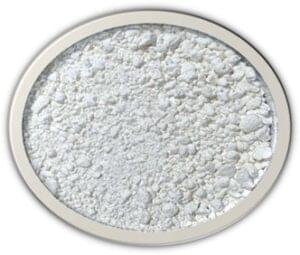
Very Long Chain Fatty Acid such as behenic, and lignoceric acids when converted into methyl esters. offer a unique combination of emollience, texture enhancement, and eco-friendly appeal, positioning them as promising alternatives to synthetic ingredients like soft paraffin wax or petroleum-based derivatives.
Composition and Production
A unique methyl ester blend of C24, C22 fatty acids along minor quantities of C16 and C18 fatty acids results in a unique product having melting point in the range of 35–40°C, making the esters ideal for topical formulations. The resulting FAMEs lipid profile ensures biochemical harmony with the skin.
Functional Properties
- Emollience and Moisturization: FAMEs form a non-greasy, breathable film on the skin, improving hydration without clogging Their occlusive properties rival those of soft paraffin wax, making them suitable for barrier-repair formulations.
- Texture Modifier: With a melting point of 35–40°C — close to skin temperature — these esters act as structuring agents in lipsticks, balms, and solid serums, ensuring smooth application and thermal Their performance parallels paraffin in texture but with enhanced biodegradability.
- Enhanced Spreadability: Their low viscosity and melting behaviour near body temperature aid in even distribution of actives, enhancing product performance in sunscreens or makeup
Very Long Chain Fatty Acid such as behenic, and lignoceric acids when converted into methyl esters. offer a unique combination of emollience, texture enhancement, and eco-friendly appeal, positioning them as promising alternatives to synthetic ingredients like soft paraffin wax or petroleum-based derivatives.
Composition and Production
A unique methyl ester blend of C24, C22 fatty acids along minor quantities of C16 and C18 fatty acids results in a unique product having melting point in the range of 35–40°C, making the esters ideal for topical formulations. The resulting FAMEs lipid profile ensures biochemical harmony with the skin.
Functional Properties
- Emollience and Moisturization: FAMEs form a non-greasy, breathable film on the skin, improving hydration without clogging Their occlusive properties rival those of soft paraffin wax, making them suitable for barrier-repair formulations.
- Texture Modifier: With a melting point of 35–40°C — close to skin temperature — these esters act as structuring agents in lipsticks, balms, and solid serums, ensuring smooth application and thermal Their performance parallels paraffin in texture but with enhanced biodegradability.
- Enhanced Spreadability: Their low viscosity and melting behaviour near body temperature aid in even distribution of actives, enhancing product performance in sunscreens or makeup